Tuna Fish Recall: What You Need To Know And How To Stay Safe

Tuna Fish Recall: What You Need To Know And How To Stay Safe - Innovations such as blockchain tracking and DNA testing are being explored to improve traceability and authenticity of tuna products. These developments aim to restore consumer trust and promote sustainable practices in the industry. Prolonged exposure to high levels of mercury can affect the nervous system, particularly in developing fetuses and young children.
Innovations such as blockchain tracking and DNA testing are being explored to improve traceability and authenticity of tuna products. These developments aim to restore consumer trust and promote sustainable practices in the industry.
From identifying potential risks to recognizing warning signs, this comprehensive guide will provide you with all the essential information you need to navigate the world of tuna fish recalls. By the end of this article, you'll be equipped with actionable insights to ensure your safety and well-being.
Tuna fish recall refers to the process where batches or lots of tuna products are withdrawn from the market due to safety concerns. These recalls can occur at any stage of the supply chain, from production to distribution. The primary goal of a recall is to prevent consumers from consuming potentially hazardous products.
Infections caused by bacteria like Salmonella and Listeria can result in symptoms such as nausea, vomiting, and diarrhea. Severe cases may require hospitalization.
When a tuna fish recall is announced, it's important to act promptly to safeguard your health. Follow these steps:

We encourage you to share this article with others and leave your thoughts in the comments section below. For more informative content on food safety and related topics, explore our other articles on the website.
These agencies work closely with manufacturers and distributors to investigate incidents, issue recall notices, and implement corrective measures. Their efforts are essential in maintaining public trust and protecting consumer health.
Regulatory bodies play a pivotal role in ensuring food safety and responding to tuna fish recalls. In the U.S., the FDA and USDA (United States Department of Agriculture) collaborate to monitor and enforce food safety standards. Internationally, organizations like the WHO (World Health Organization) and FAO (Food and Agriculture Organization) provide guidelines and support for food safety initiatives.
Tuna fish recalls can have significant repercussions for the industry. Financial losses, damage to brand reputation, and loss of consumer confidence are some of the challenges faced by companies involved in recalls. To address these issues, the industry is increasingly investing in advanced technologies and quality assurance processes to enhance food safety.
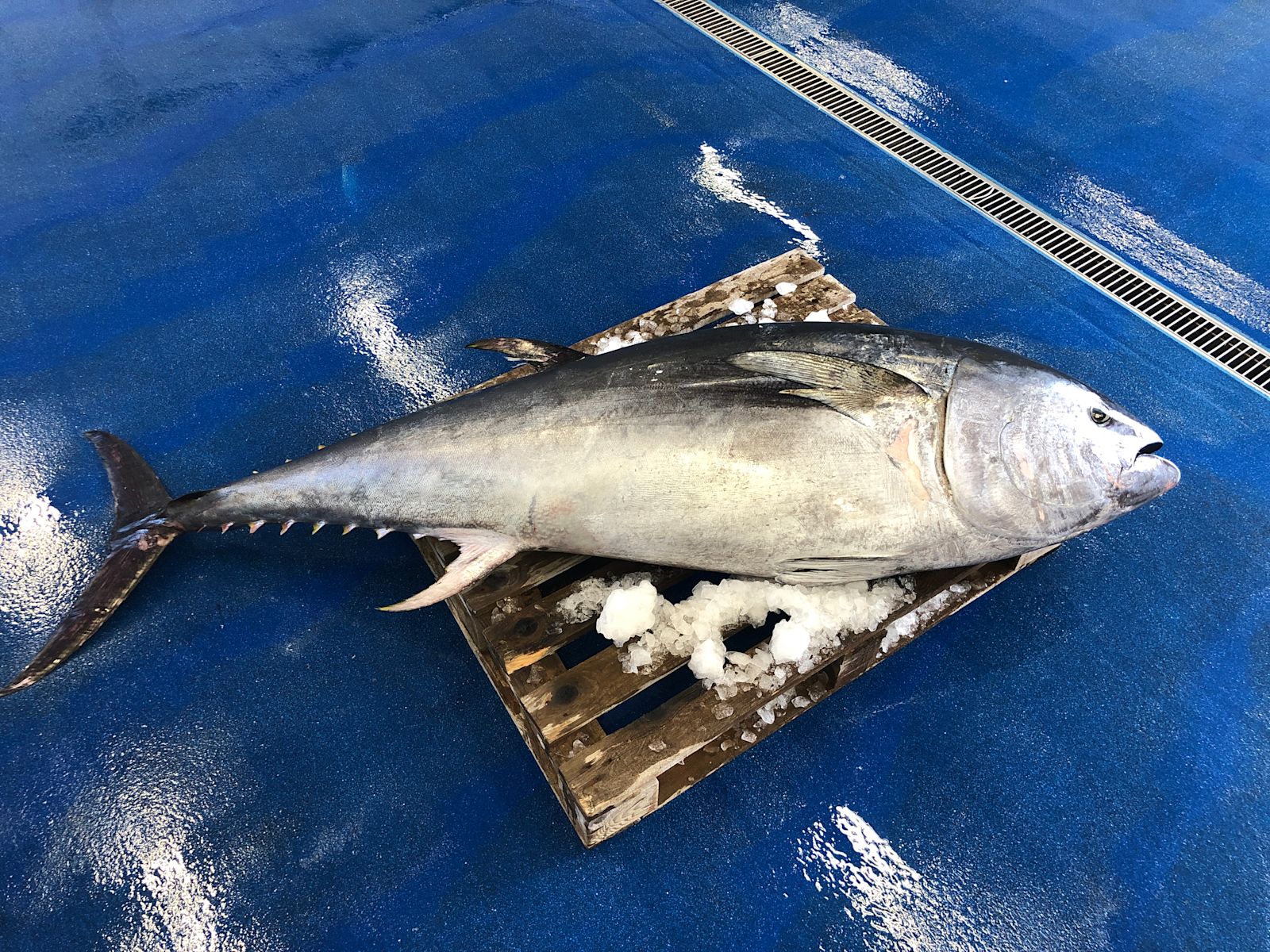
In recent years, tuna fish recall incidents have become a growing concern for consumers worldwide. Whether it's due to contamination, improper handling, or mislabeling, these recalls highlight the importance of understanding food safety. As a consumer, it's crucial to stay informed about the latest developments in tuna recalls and take necessary precautions to protect yourself and your family.
Consuming contaminated tuna can lead to a range of health issues, depending on the type of contamination. Below are some of the most common risks:
Undeclared allergens in tuna products can trigger life-threatening reactions in sensitive individuals.